
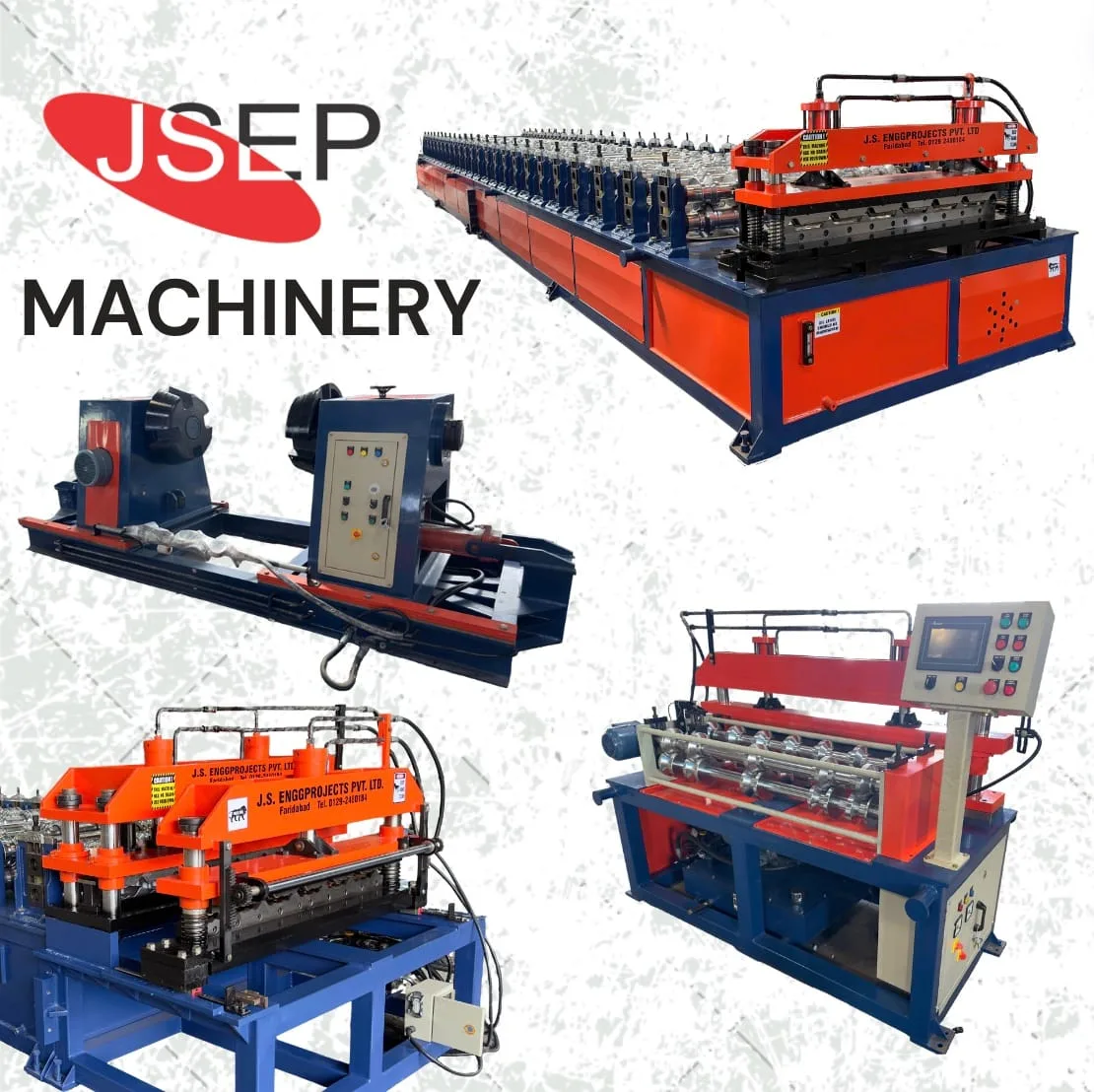
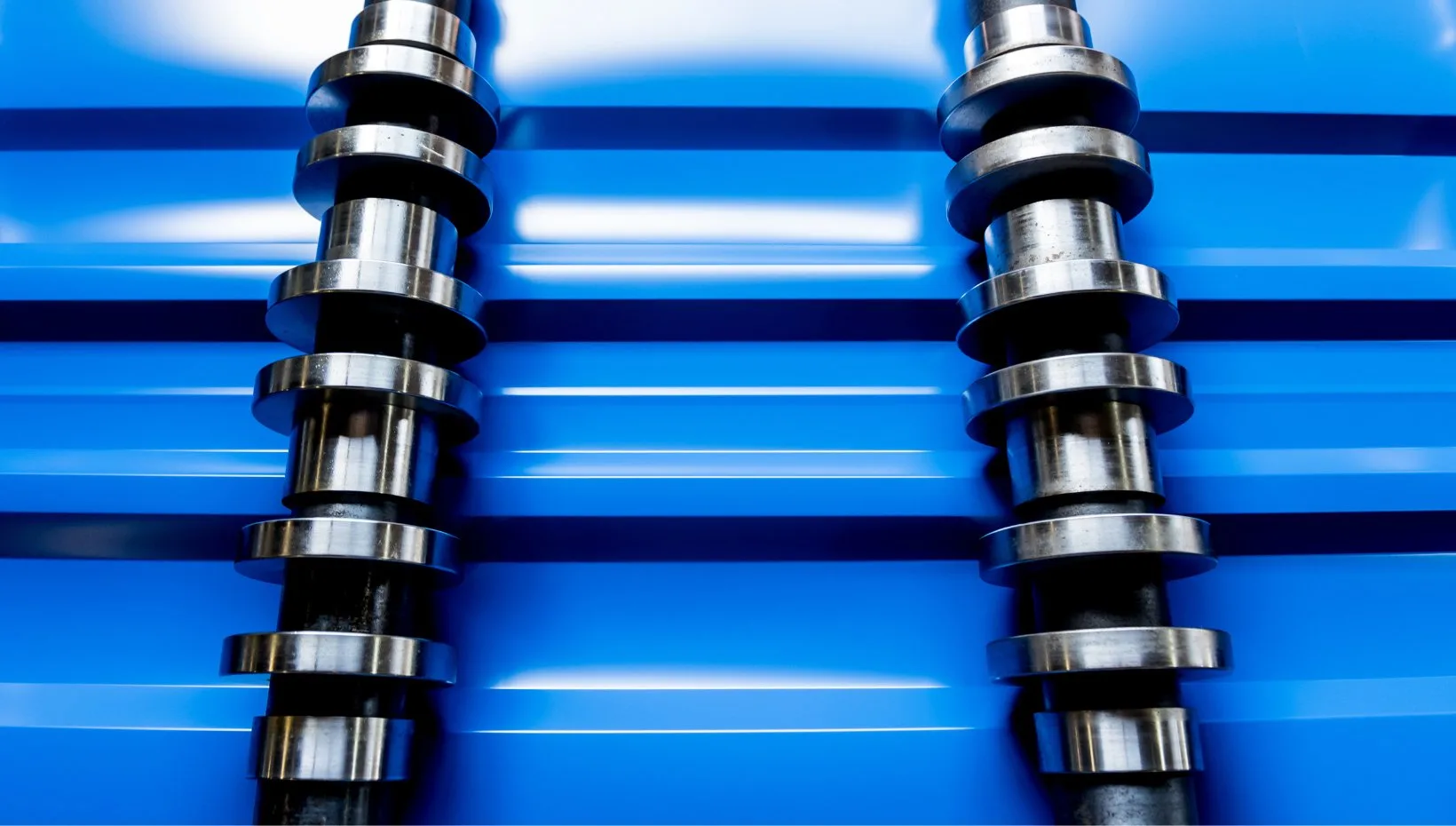
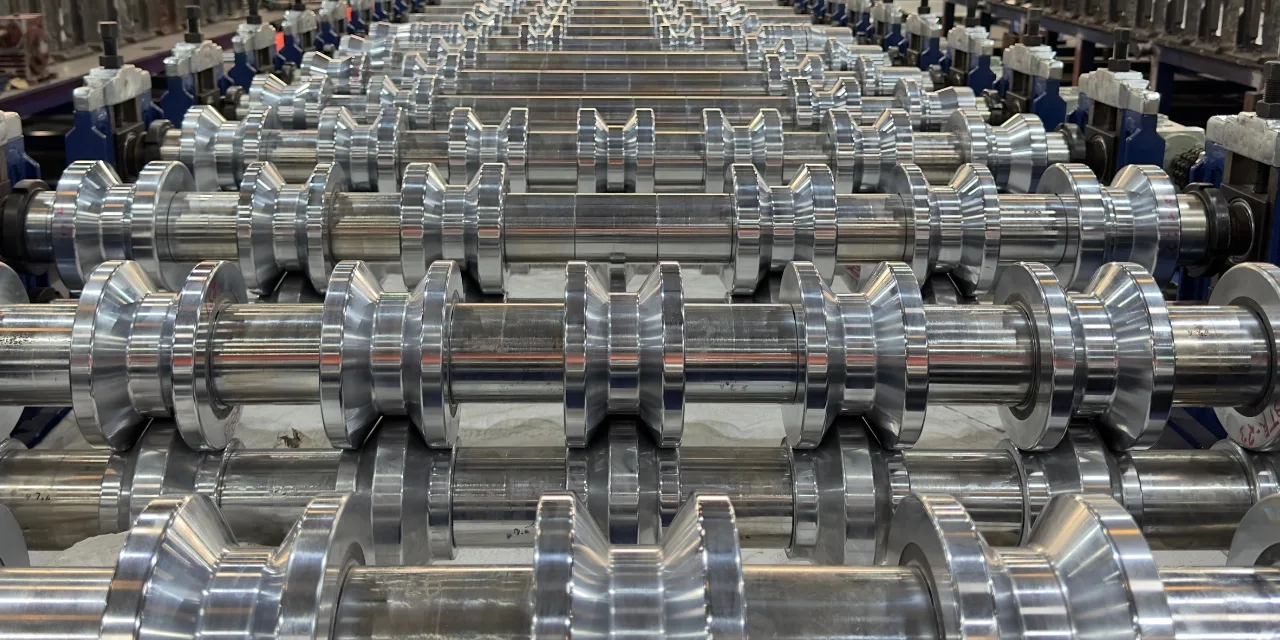
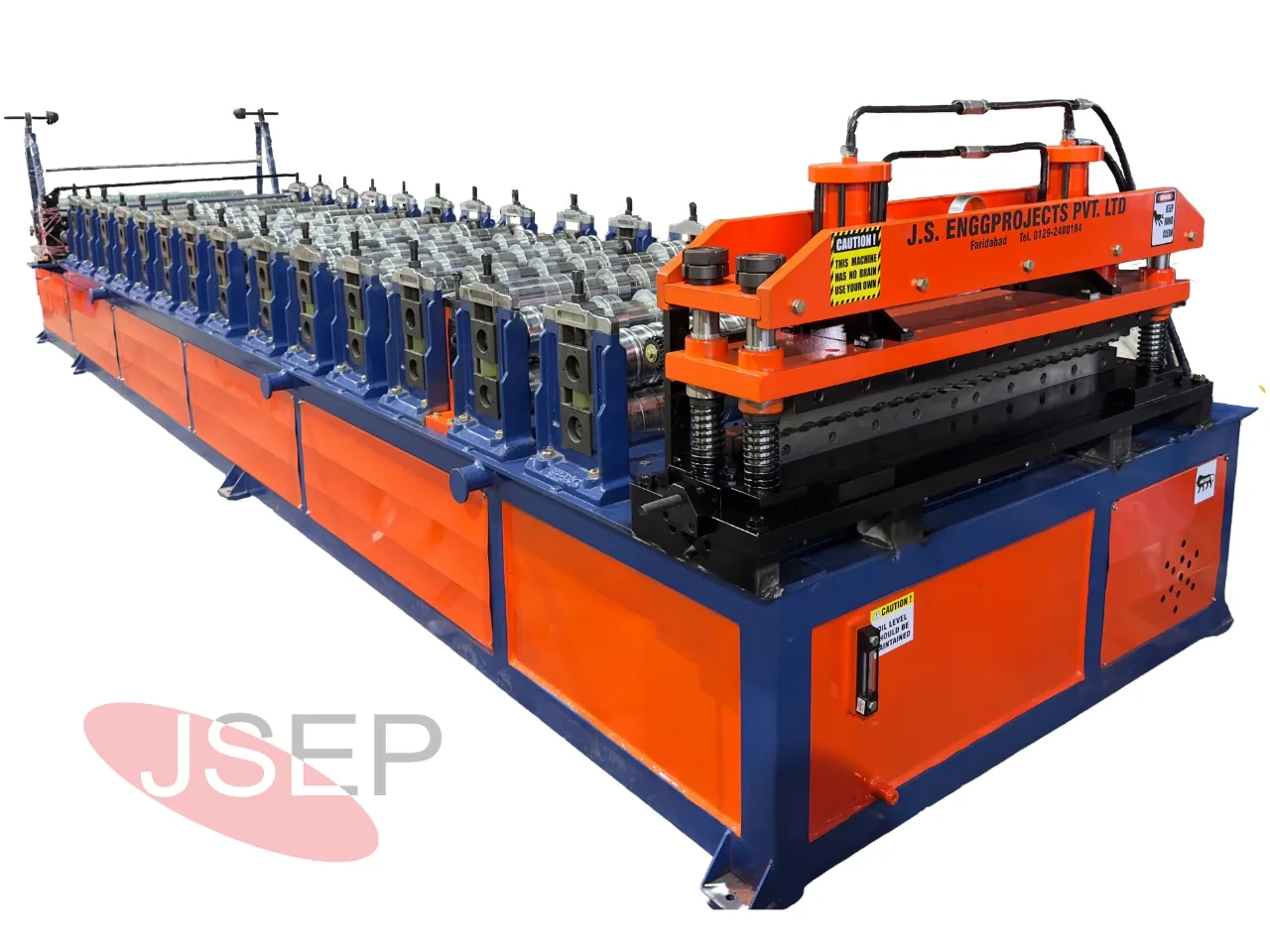
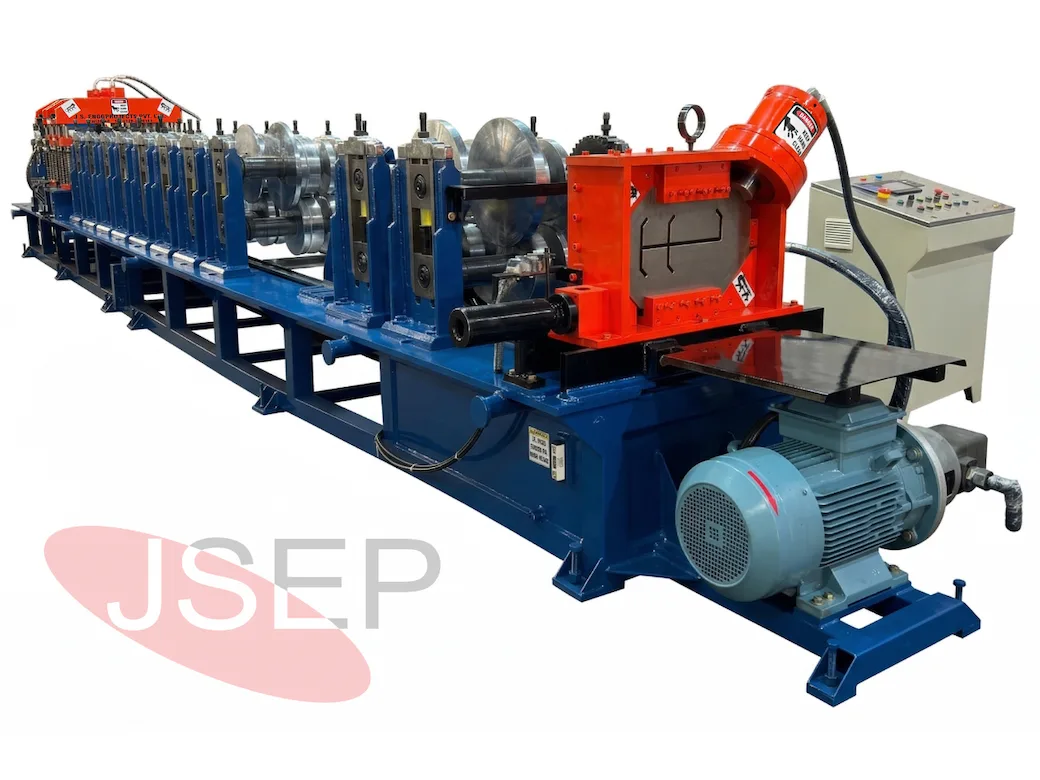
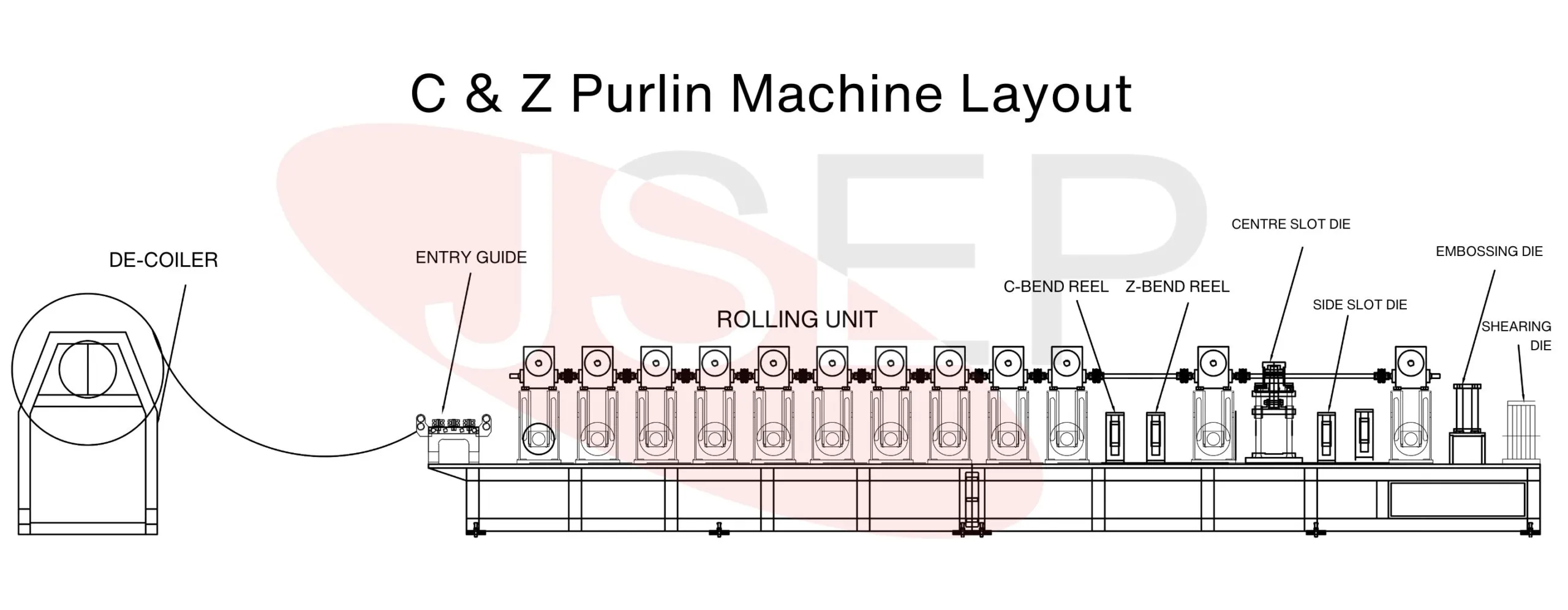
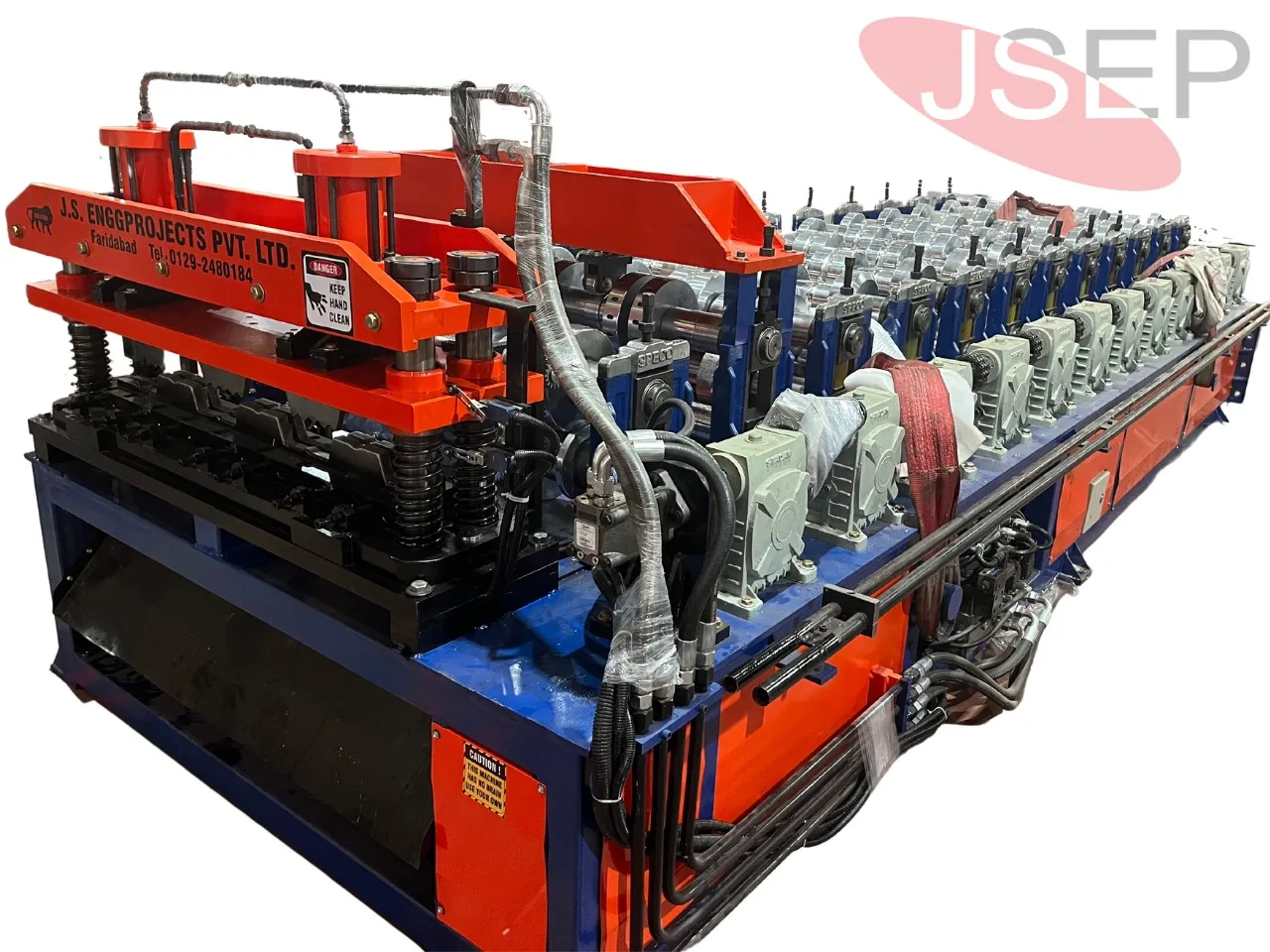
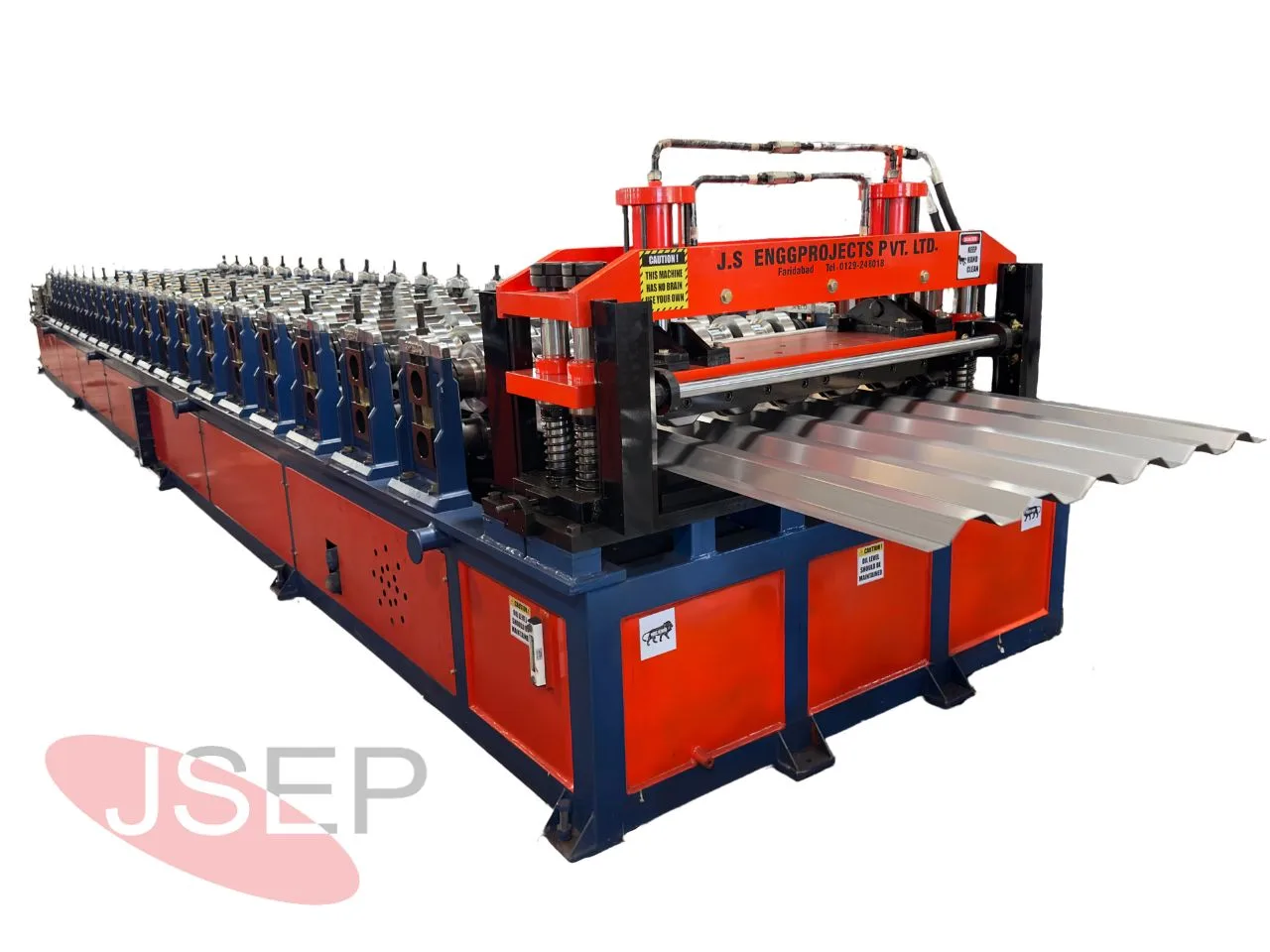
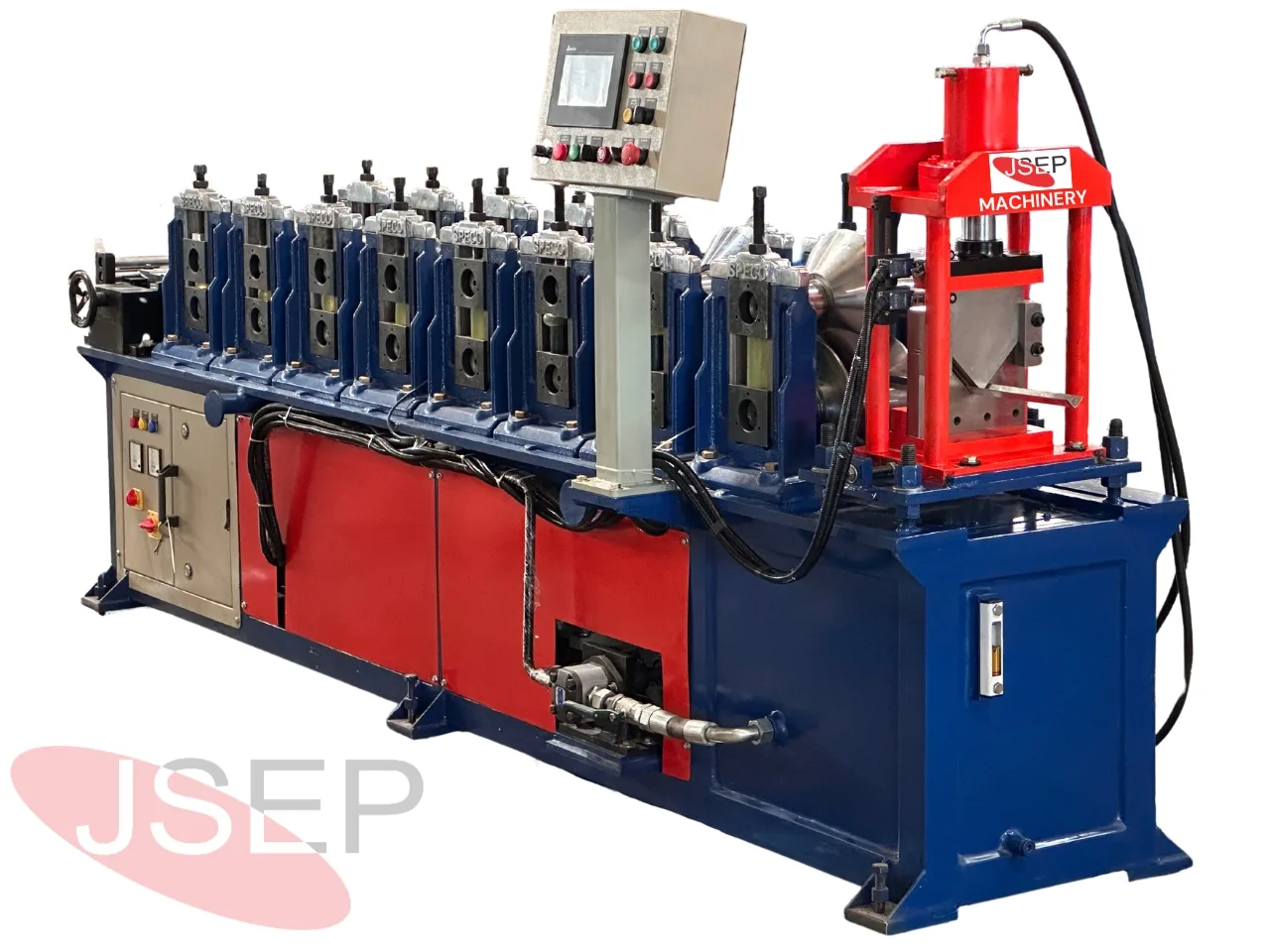
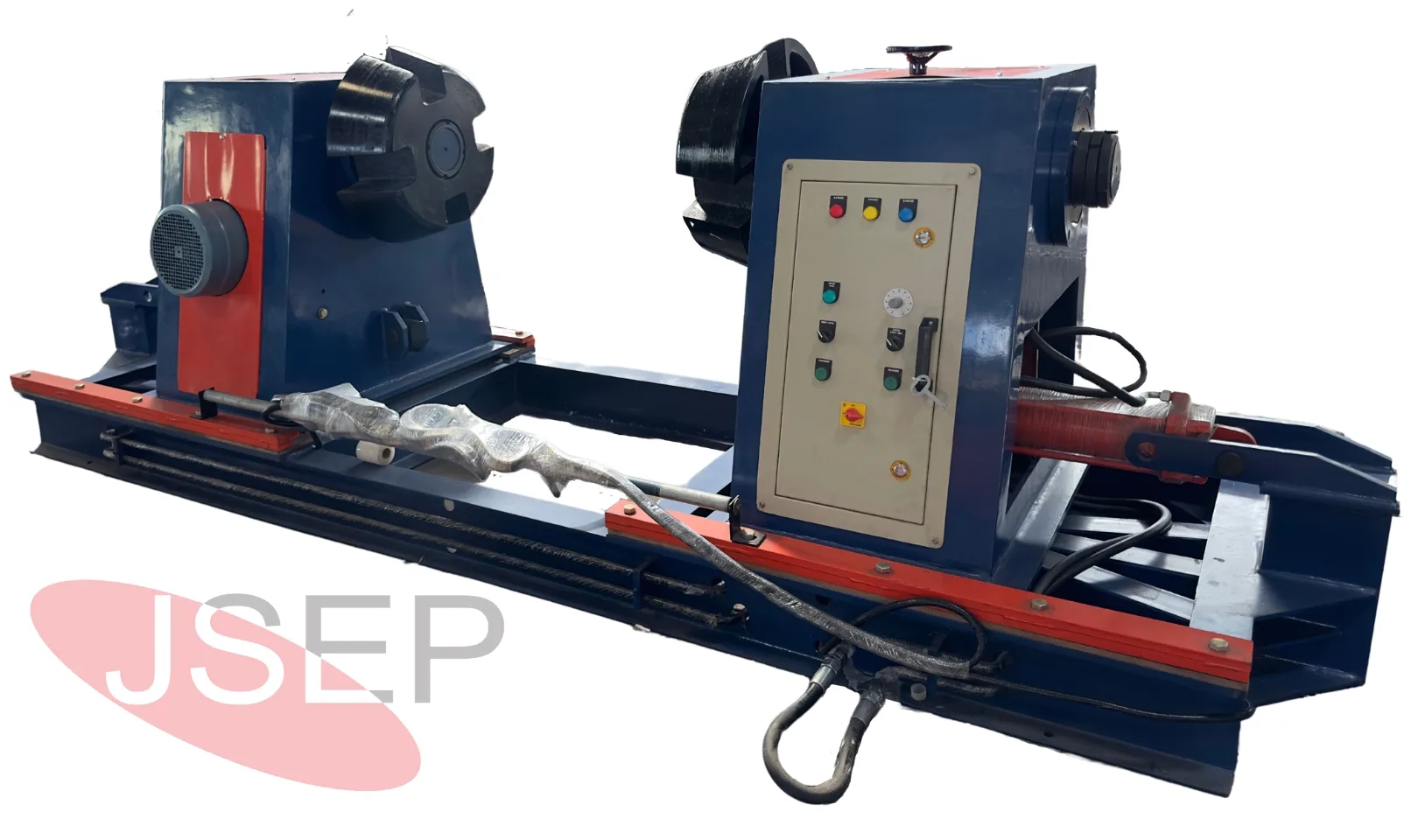
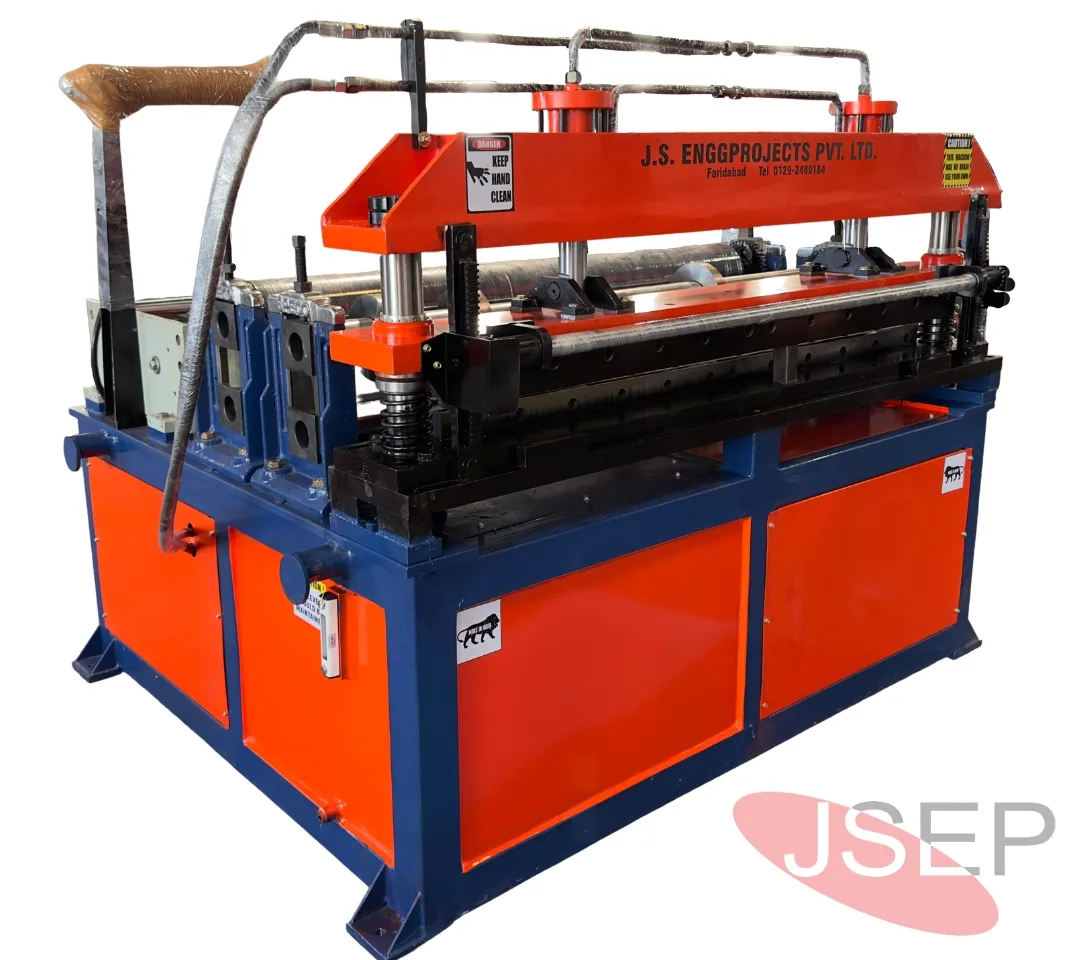
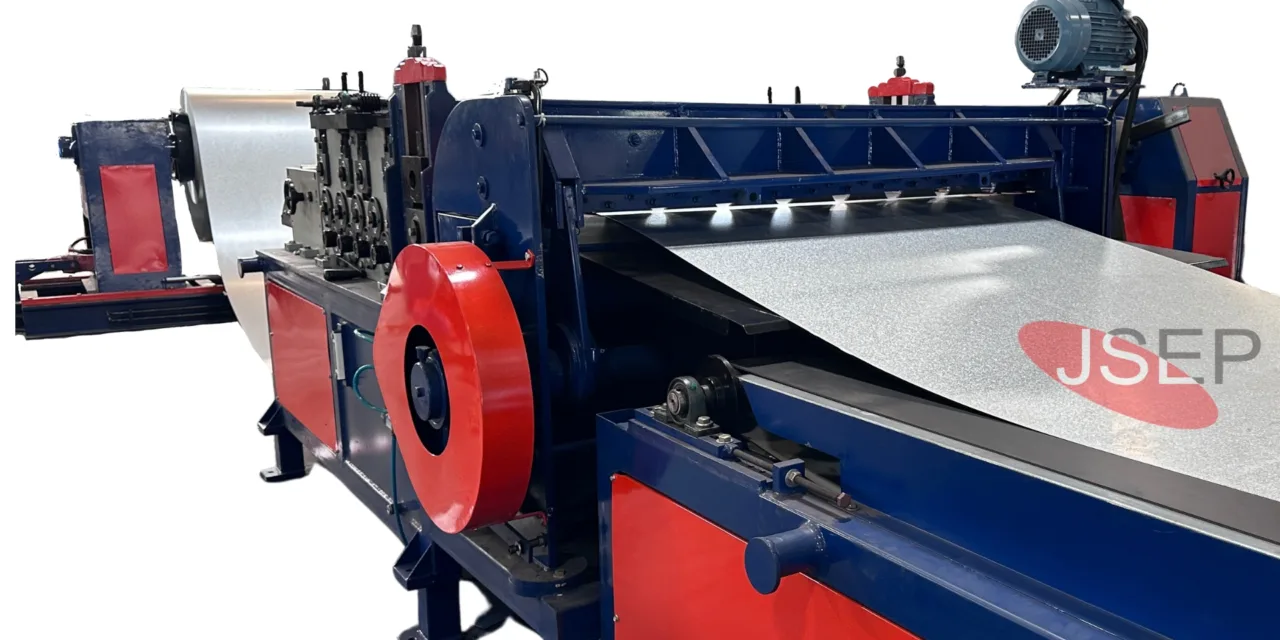
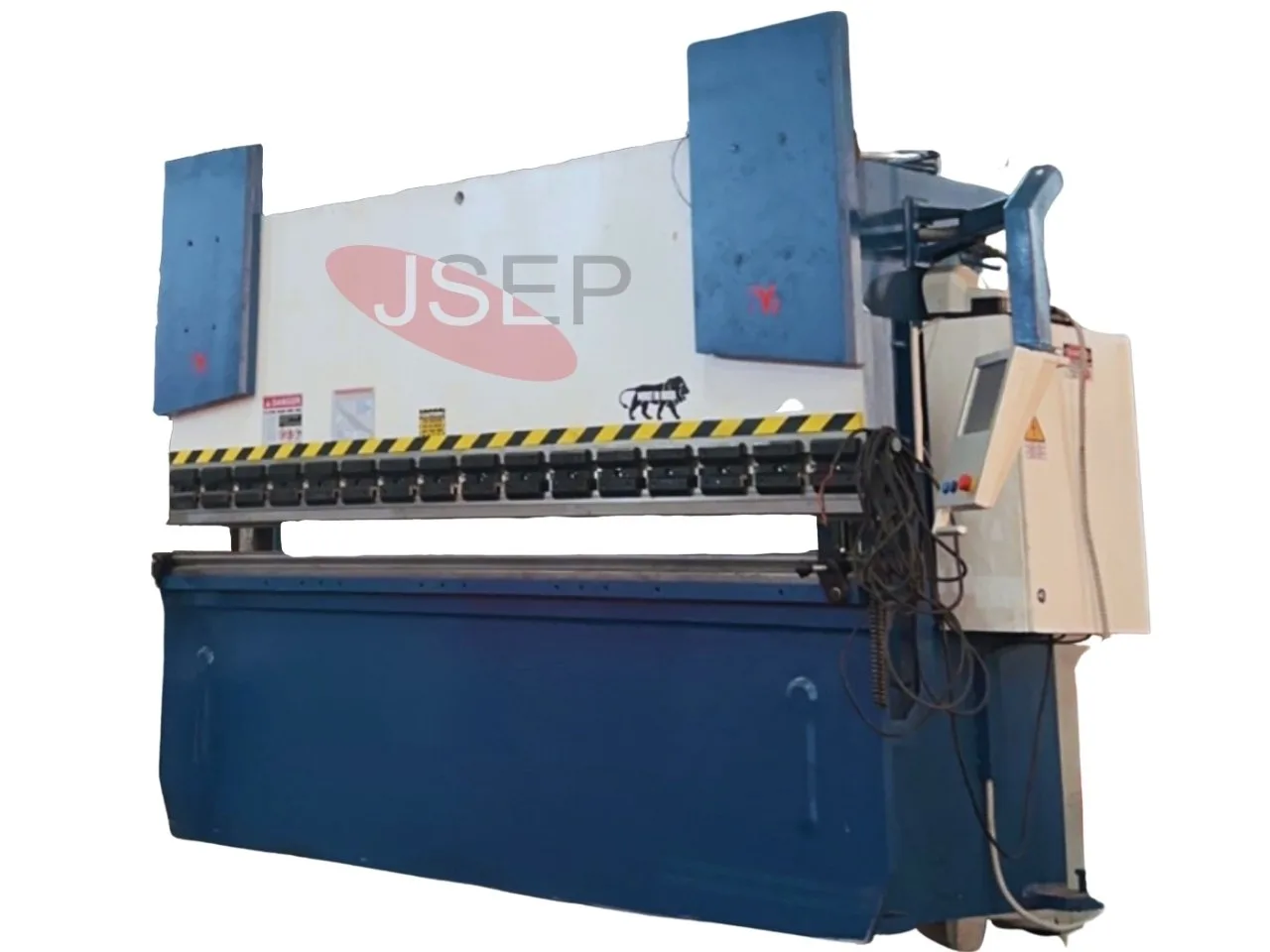
A builder walked into our Faridabad factory last month with a notebook full of competitor quotes, a bank-approved budget, and a single question. It is the exact same question we hear from someone, somewhere, almost every week: “Which roll forming machine should I actually buy?” He had the technical specifications. He had the brochures. He had a solid market opportunity in his city. What he lacked was a clear framework for making the decision. Unfortunately, most of what he had been reading online was either copied directly from a supplier’s catalogue or written by people who have never actually stood on a factory floor while a roll forming line was being commissioned. We have been building these machines since 1981. With over 650 installations across India and ten other countries, we have seen entrepreneurs build highly profitable businesses on a single, well-chosen machine. Conversely, we have also seen expensive equipment sit idle in industrial sheds simply because the buyer trusted a glossy brochure over their own local market reality. This guide is our attempt to put four decades of floor-level experience into writing. We aren’t just listing catalogue features. We are going to explain what each type of roll forming machine does, who it is built for, what the underlying engineering actually means, and how you should approach this investment. If you are considering buying a roll forming line, this is the article we wish every buyer would read before they pick up the phone. Before we look at specific machine types, we need to clear something up. It is a concept that is poorly understood even by people who have been around the industry for years. Roll forming is not pressing. It isn’t stamping. It isn’t bending in the conventional sense, either. Roll forming is a continuous cold-bending process. A flat strip of steel is fed from a coil through a series of precisely engineered paired rollers. Each station adds a small increment of the total bend. It might start at 15°, move to 30°, then 45°, and so on until the metal exits the final station as a fully formed profile cut to your exact specified length. The key word here is gradual. No single station does all the heavy lifting. Because the deformation is spread across many rollers, the roll forming process can handle high-strength steels, coated surfaces, and tight bend radii that would easily crack or distort under the sudden force of a press brake. Here is the other crucial detail that confuses buyers: roll forming does not change the thickness of the material. A 0.5mm coil going into the machine comes out as a 0.5mm formed profile. What changes is the cross-section shape. A flat strip becomes a trapezoidal roofing sheet, a C-section purlin, or a standing seam panel, all at the exact same gauge it started. This matters more than buyers realize. The entire engineering of a roll forming machine, including the number of stations, roller geometry, shaft diameter, and frame strength, is calculated around the yield strength and thickness of the specific steel you intend to run. A machine designed for 0.5mm PPGI roofing coil cannot simply be “adjusted” to run 2mm structural-grade purlin steel. They are entirely different machines built for entirely different jobs. Understand this one core principle, and you will avoid the most common and expensive mistake roll forming buyers make. The rollers are the soul of your machine. The frame holds them, the gearbox drives them, and the cutting system trims what they produce. Everything else exists to serve the rollers. At JSEP, we manufacture our rollers exclusively from hardened EN-31 tool steel, heat-treated to 58–62 HRC (Rockwell Hardness). This isn’t just marketing language. It is a strict engineering specification that directly determines how long your machine will produce accurate profiles before the rollers wear down and the dimensions start to drift. Softer rollers made from mild steel or low-grade alloy steel are cheaper to manufacture and frequently appear in budget machines. They might produce perfectly accurate profiles for the first few months. However, as the contact surfaces inevitably wear, the profile dimensions will slowly shift. Sheet overlaps will start varying. Rib heights will change. Eventually, your customers will start complaining about installation problems. The only fix at that point is a complete, expensive roller set replacement. When properly CNC-ground and polished to tight tolerances, EN-31 hardened rollers will hold their geometry for years of continuous production. On our machines, a typical roller set running colour-coated steel at standard production speeds maintains its dimensional accuracy for 7 to 10 years of normal use, and often considerably longer. The upfront cost difference between a machine with hardened EN-31 rollers and one with softer alternatives is perhaps 15 to 20%. The operating cost difference over a 10-year production life is infinitely higher. Every buyer asks about the station count, but very few know why the answer actually matters. Steel has memory. When you bend it, it naturally tries to spring back toward its original flat position. The amount of springback depends heavily on the yield strength of the steel. A high-tensile structural grade steel at 550 MPa will spring back significantly more than a soft PPGI roofing coil at 220 MPa. The engineering solution for this is two-fold. First, each roller station is designed to overbend the metal slightly past the target angle. When the metal springs back, it settles at exactly the right dimension. Second, the total deformation is distributed across enough incremental passes so that no single station overstresses the material. If you try to form a 90-degree flange in just two stations, you will crack the coating. On harder grades, you might even crack the steel itself, resulting in a profile that is inconsistent along its length. If you spread that exact same 90-degree bend across 8 to 10 stations with the correct overbend progression, the result is a perfect, consistent profile every single time. Typical station counts: You should be highly cautious of any supplier who claims they can match profile quality with significantly fewer stations. Fewer stations mean higher deformation per pass, resulting in higher residual stress in the formed profile. This tension shows up as edge wave, bow, or twist. It may not appear on day one, but it will appear eventually. Roofing and Cladding Lines: These produce the sheets and panels that cover and clad buildings. They use lighter gauge steel (typically 0.35mm to 1.2mm) and run at higher speeds to serve the general construction sector. Structural and Load-Bearing Lines: These produce the heavy steel members that frame and support buildings, such as purlins, deck sheets, angles, and container panels. They use heavier gauge steel (1.5mm to 4mm) at lower speeds. Precision and strength are far more important here than throughput. Coil Processing Lines: These prepare, cut, and process the raw coil before or after forming. This category includes decoilers, slitters, cut-to-length lines, and press brakes. While they don’t produce finished profiles, no proper production facility can run efficiently without them. Let’s look at each specific machine. Often called the trapezoidal profile machine, this equipment produces the high-rib corrugated sheets you see covering warehouses, factories, airport hangars, logistics parks, and Pre-Engineered Buildings (PEBs) across the country. The trapezoidal ribs, typically 30mm, 38mm, or 45mm in height, give the sheet vital structural rigidity over long spans between purlins. They also shed rainwater rapidly and resist high wind loads. The structural performance of a HI-RIB sheet comes entirely from its profile geometry. The height, pitch, and angle of the ribs dictate its strength. A 38mm high-rib sheet in 0.50mm Galvalume can span 1.5 to 2.0 metres between purlins under standard loading conditions. If you increase that rib height to 75mm, the exact same material can span 2.5 to 3.0 metres. This reduces the number of purlins required for a build, directly cutting the overall project cost. This is why your machine specification for rib height isn’t just a simple catalogue choice. It directly determines what market segment you can effectively serve. Production speed is the commercial metric that matters most here because HI-RIB is a high-volume commodity product. A well-engineered machine should consistently run at 35 to 45 metres per minute under standard production conditions. Be wary of machines claiming 60 or 80 m/min. They are usually overstating what they can actually achieve with coated steel. Running coated material at excessively high speeds causes roller-to-sheet friction that scuffs the paint, leading to warranty claims and unhappy contractors. The cutting system is equally vital. HI-RIB profiles have complex cross-sections. The cut needs to happen cleanly across both the raised ribs and the flat pan areas simultaneously without crushing the profile. A hydraulic post-cut system with a profile-matched die is the only correct engineering choice. Circular saws or guillotine-style systems leave rough burrs and deform the cut end, which ruins the integrity of the lap joint during installation. According to IMARC Group, India’s PEB market was valued at USD 2.3 billion in 2025 and is projected to grow at a CAGR of 12.38% to reach USD 6.5 billion by 2034 (source). Every single square metre of roof in those buildings needs HI-RIB sheeting. The demand is structural and accelerating, driven heavily by e-commerce warehouse expansion, manufacturing growth under the Make in India initiative, and massive cold-chain infrastructure investments. For any buyer entering the metal roofing business, the HI-RIB roll forming machine is almost always the smartest starting point. It offers the highest volume product, the widest market penetration, and the most straightforward sales pitch. See JSEP’s HI-RIB Roll Forming Machine specifications The tile profile is geometrically complex. A single panel width carries multiple full tile impressions, each featuring a deep embossed crown, side ribs, and interlocking overlaps. This requires significantly more forming stations than a standard trapezoidal profile. Where a HI-RIB machine might use 18 stations, a high-quality tile profile machine requires 22 to 28 stations to achieve the full embossed depth without cracking or distorting the coating. Production speed is inherently lower, typically hovering around 15 to 25 m/min. This deep forming requires the metal to flow gradually through highly complex roller geometry. Trying to push a tile profile machine faster than its designed speed is the most common cause of profile defects. The crown flattens out, the interlocking geometry shifts, and contractors face a nightmare during installation. Tile profile sheets are almost exclusively produced in colour-coated PPGI (Pre-Painted Galvanised Iron) or PPGL (Pre-Painted Galvalume) with delicate polyester or PVDF paint coatings. Because of this, the rollers must be polished to an incredibly fine surface finish and maintained religiously to prevent scratching during forming. A scratch on an industrial HI-RIB sheet is a minor quality issue. A scratch on a premium tile profile sheet destined for a five-star hotel roof will result in a rejected batch. We tell buyers this upfront because the warranty claims that follow neglected roller maintenance are entirely avoidable. The tile profile roll forming machine is perfect for manufacturers targeting residential, hospitality, or institutional construction. It is also an excellent step up for businesses already running a HI-RIB line who want to move into upmarket segments. Tile profile sheets consistently command a higher price per kilogram than standard trapezoidal sheets. This premium reflects the aesthetic value, making it a highly attractive margin product. → See JSEP’s Tile Profile Roll Forming Machine This equipment serves a fundamentally different buyer than the HI-RIB machine. While HI-RIB dominates industrial and commercial construction, tile profile sheets are the preferred choice for residential housing, schools, hospitals, hotels, and resorts. It appeals to any project where architectural aesthetics matter just as much as structural performance. The standing seam profile demands incredibly tight dimensional tolerances, typically ±0.3mm on critical dimensions. The panels must interlock perfectly along their entire length. A dimensional drift of even 0.5mm in the standing leg height will cause panels to lock improperly, leading to severe long-term waterproofing failures. Hitting these tolerances requires meticulous machine alignment, consistent coil quality, and a deep understanding of material springback. Standing seam panels are frequently produced in Galvalume, aluminium, zinc, and occasionally even copper. Each of these metals behaves completely differently under pressure, meaning the machine has to be set up specifically for the alloy being run. The essential companion to this line is the roof seamer, the powered hand tool used on-site to mechanically lock the panel seams. At JSEP, we manufacture both the factory roll forming line and the site seaming tool to guarantee total system compatibility. One vital variant is the portable, or site-roll-form, standing seam machine. Instead of forming panels in a factory and trucking them to the construction site, these machines are craned directly onto the roof. They form panels continuously from a coil, bypassing transport limitations. For massive-span roofs on airports or stadiums, on-site roll forming is often the only practical way to produce the required 50, 60, or 80-metre continuous panels. You need to be honest with yourself before investing in a standing seam line. This is not a commodity mass-market product. The buyers are premium architects, specialist contractors, and large developers. They expect absolute installation precision, flawless panel geometry, and a supplier who truly understands the technical nuances of their roofing system. The financial reward is significant. Standing seam commands prices 3 to 5 times higher per kilogram than standard HI-RIB sheeting. However, the market requires a sophisticated sales approach, the machine demands high operator skill, and your maintenance discipline has to be perfect. → See JSEP’s Standing Seam Roll Forming Machine and Portable Site Roller These narrow, shallow-ribbed panels in white or off-white PPGI steel are installed on the interior walls of industrial buildings. They create a clean, reflective surface that drastically improves interior lighting, simplifies cleaning, and gives the space a finished professional look. They are also widely used as false ceilings and interior cladding in commercial spaces. The liner machine runs thin-gauge material, typically 0.35mm to 0.55mm. Because the profile depth is so shallow, it operates at the highest speeds in this machine family. Liner profile is frequently treated as a secondary product for manufacturers primarily running HI-RIB. It provides excellent additional revenue from the exact same coil supply chain with a relatively modest equipment investment. → See JSEP’s Liner Profile Roll Forming Machine Line C-section and Z-section purlins are the horizontal secondary structural beams that frame the building. Roofing and wall cladding sheets are fixed directly to them. Every single PEB building, industrial shed, and steel-framed warehouse requires purlins in massive quantities. A standard 10,000 sqm warehouse can easily require 100 to 200 tonnes of purlins alone. While C-sections and Z-sections look similar, they are not interchangeable. Z-sections are more commonly used for roof purlins because their asymmetric flange geometry allows them to be nested together for transport, saving roughly 50% in freight space. They can also be easily lap-spliced at intermediate supports to create continuous, stronger spans. C-sections are preferred for wall girts, eave beams, and framing applications that require a symmetric profile. Modern C&Z purlin machines can easily switch between C and Z profiles with a simple changeover time of approximately 20 to 30 minutes. This makes it commercially viable to run both section types from a single piece of equipment. Purlin steel is serious structural grade material (IS 4435, IS 811, or high-tensile equivalent) with yield strengths ranging from 350 to 550 MPa. This steel is significantly stronger and springier than light-gauge roofing coil. Therefore, the forming machine has to be massively robust. It requires larger shaft diameters, higher bearing loads, and a machine frame engineered to handle extreme forming forces without deflecting. Frame deflection translates directly into dimensional inaccuracy in the finished steel section. The integrated punching system is the other critical component. Purlins require precise bolt holes for fixing to the primary structure. On a well-engineered purlin line, these holes are punched automatically at preset spacings during the continuous forming process. The punching unit must be timed perfectly with the machine’s speed, and the die has to maintain clean, burr-free holes in heavy structural steel over thousands of repetitions. Standard Indian PEB purlins are produced in 1.5mm to 3.0mm structural steel. A machine specified only to handle a 2.0mm maximum thickness will severely limit your ability to supply heavier sections for large-span warehouses. If you intend to serve the PEB market seriously, invest in a machine rated up to at least 3.0mm. The incremental cost is modest, but the commercial flexibility it gives you is massive. → See JSEP’s C & Z Purlin Roll Forming Machine specifications Metal floor decking is the foundational composite floor system used in virtually every multi-storey steel-framed building today. The corrugated deck sheets span between structural steel beams and act as permanent formwork for a reinforced concrete slab pour. Once the concrete cures, the embossed ribs on the sheet physically bond with the concrete. This creates a structural floor system that is faster to build, significantly lighter than solid concrete, and highly cost-effective. The dimensional tolerances for structural deck sheets are strictly governed by structural engineering specifications, not just by customer preference. The rib height, flange angle, and web width are exact parameters that structural engineers use in their load-bearing calculations. If a deck sheet produced on your machine deviates from these specs, the entire composite floor could fail to achieve its design capacity. This is a major structural safety issue. Deck sheet machines must maintain incredibly tight tolerances, typically ±0.5mm on critical dimensions, consistently over the entire production run. The Embossing Challenge Deck sheets feature complex embossed indentations on their surfaces to create the mechanical grip with the concrete. Producing this deep embossing while simultaneously forming the heavy structural cross-section requires the most sophisticated tooling and rigid machine control in the industry. At JSEP, our deck profile machines undergo more extensive commissioning trials than any other equipment we build. The consequences of poor dimensional performance in a high-rise structural application are simply too severe to risk. The Market for Deck Sheets The deck sheet market in India is heavily concentrated in major cities building multi-storey commercial and industrial structures. It is a strict B2B market selling to major steel contractors, not local builders. These buyers will demand mill test certificates and dimensional compliance documentation with every single delivery. If your business isn’t prepared to maintain that level of rigorous quality control, a deck machine is not the right starting point for you. However, if you can meet the standard, deck sheets are an extraordinarily profitable product. This machine runs significantly heavier steel than roofing lines, typically 1.5mm to 3.0mm hot-rolled or cold-rolled structural steel. It produces a deep profile engineered for extreme structural rigidity and weather resistance. The container panel market in India is booming well beyond standard shipping applications. Portable site offices, sanitation blocks, modular temporary hospitals, and prefabricated housing units all rely on container-profile panelling. As the portable cabin industry in India grows, the demand for this specific machine continues to rise sharply. V-shape and L-shape steel angles are essential throughout construction. They are used as ridge caps, corner trims, and window surrounds in metal buildings. They act as purlin support cleats in steel structures, and as shelf angles in industrial racking systems. If a manufacturer produces HI-RIB sheets but cannot supply the angle trims and flashings required to install them, they will lose parts of the contract to a competitor. An angle roll forming machine solves this problem for a very modest investment. It typically runs 1.5mm to 3.0mm structural steel at moderate speeds. While not a high-volume standalone product, its ability to help you close “complete system” sales makes it invaluable. The decoiler is the unsung foundation of your factory. It securely holds a steel coil weighing 5 to 10 tonnes and feeds it smoothly under controlled tension into the forming machine. A cheap decoiler causes strip-tracking problems where the metal wanders off-centre, creates tension spikes that warp the profile, and presents serious physical safety risks to your operators. A proper hydraulic decoiler uses motorised mandrel expansion and a de-reeling drive with tension control. For high-speed lines, investing in a decoiler equipped with a coil car—a mechanised lift that loads the coil without tying up your forklift—will pay for itself rapidly in saved downtime. The slitting machine cuts wide master coils (usually 1000mm to 1250mm wide) into multiple narrow strip coils at the exact widths your forming machines require. The business logic here is simple. Wide bulk coils cost less per kilogram than pre-slit narrow coils. A manufacturer who owns their own slitting line buys cheaper master coils, slits them in-house, and captures that margin. The payback period on this equipment is very fast for any mid-to-high volume operation. This machine uncoils, levels (removes the curved memory of the coil), and cuts the steel into perfectly flat sheets of specific lengths. These sheets are then sent to press brakes for custom fabrication. For roll forming manufacturers, a cut-to-length line is vital for producing the flat sheet components that accompany building systems, like custom base plates and ridge caps. While roll forming machines create continuous bends across a long coil, a press brake creates discrete, individual bends in flat cut sheets. Its role in your factory is to produce the custom flashings, gutters, and valley trims that complete a roofing system order but cannot be run on a continuous forming line. Owning a press brake allows you to quote the entire building envelope package. Consider a manufacturer supplying the Indian industrial PEB market. The ideal ecosystem looks like this: A HI-RIB machine produces the main roof sheeting. A C&Z purlin machine provides the structural steel framework. A liner profile machine creates the interior cladding. An angle machine and a press brake produce the finishing trims and gutters. A slitting line and multiple hydraulic decoilers keep the raw material flowing efficiently. Each machine reinforces the other. Your sales team can approach a major contractor and offer to supply the entire building envelope on a single invoice, with a single point of accountability. That level of capability wins massive contracts that a single-product supplier will never see. The natural progression for our most successful clients usually looks like this: start with HI-RIB for fast market entry, add a C&Z purlin line to capture structural budgets, and eventually expand into liner profiles and custom trim as your market share deepens. After manufacturing machines for buyers across 20 countries, we know that your success rarely comes down to comparing station counts on a brochure. Your profitability will be determined by how you answer these four questions: Are you serving the market in front of you, or an imaginary one? Buying a premium standing seam machine for a regional market that only wants basic industrial sheds is a fast way to go bankrupt. Start with what your immediate local customer base demands today. Have you assessed your operator capability? A complex PUF panel machine handed to a team with zero metal fabrication experience will be a disaster. Buy the machine your current workforce can actually operate and maintain. Is your coil supply secured? Nothing is more frustrating than a brand-new machine sitting idle because the specific steel grade isn’t locally available. Secure your mill supply or distributor relationships before the machine is even commissioned. Have you seen the equipment running in real life? Don’t rely on a controlled sales demonstration. Demand to see the machine running in an actual customer’s factory, at commercial speeds, using real-world steel. At JSEP, we actively encourage buyers to visit our existing installations. The common thread is always compromised engineering in pursuit of a cheaper purchase price. Roll forming manufacturing does not tolerate shortcuts. The roller design must be specifically engineered for the exact profile and metal grade. The machine frame must be heavily welded and stress-relieved to prevent flexing. The shafts must be precision-ground on CNC lathes. The hardness of every single roller must be physically tested and verified. At J S ENGGPROJECTS, every machine we build adheres to the standard that has defined us since 1981. We use tested EN-31 hardened rollers. We build stress-relieved structural frames. This isn’t a sales pitch; it is the strict engineering reality required to make a machine run reliably for 20 years. A roll forming machine continuously cold-bends a flat metal strip from a coil into a finished profile using a series of paired rollers. It is used to manufacture metal roofing sheets, structural purlins, deck sheets, and other steel construction products at high volumes with strict dimensional accuracy. For most first-time buyers in India, the HI-RIB (trapezoidal profile) machine is the best starting point. It serves the massive, high-volume segment of the metal roofing market (industrial sheds, warehouses, PEB construction) and offers the most straightforward sales process. A well-engineered machine featuring hardened EN-31 tool steel rollers will produce accurate profiles for 15 to 20 years. The roller sets themselves generally last 7 to 10 years before needing re-grinding. Cheaper machines with softer rollers often show profile drift within just 2 to 3 years. Generally, a single machine is designed for a single specific profile. While limited multi-profile capabilities exist (like the C&Z purlin combo machine which switches profiles via adjustments), a HI-RIB machine cannot produce a tile profile. Each distinct profile requires its own specific roller tooling configuration. Roofing machines typically process 0.35mm to 1.2mm steel. Structural machines (for purlins or deck sheets) handle heavier 1.5mm to 4.0mm steel. A machine designed for thin-gauge coil cannot run thick structural steel—the frame and motor requirements are completely different. Capacity varies by design. A standard HI-RIB machine runs at 35-45 m/min, yielding roughly 5,000 to 8,000 metres per 8-hour shift. Tile profile lines run at 15-25 m/min, while C&Z purlin machines operate around 12-20 m/min. Annual single-shift output ranges from 5,000 to 15,000 tonnes depending on the metal weight. India has a strong manufacturing base, with Faridabad (Haryana), Ahmedabad (Gujarat), and Pune (Maharashtra) acting as major hubs. J S ENGGPROJECTS (JSEP) has been manufacturing high-grade roll forming machines in Faridabad since 1981. Daily tasks include visual inspections, targeted lubrication, and removing metal shavings. Weekly maintenance involves checking chain/belt tension and hydraulic fluids. Annually, operators should perform a complete roller inspection, hydraulic service, and structural check of the frame to ensure decades of reliable output. For most buyers entering the Indian market, the HI-RIB machine is the smartest first investment. The ongoing construction boom in warehousing and industrial infrastructure has created massive, accessible demand for trapezoidal roofing sheets. It is the perfect foundation for building a profitable enterprise. If you are already established and looking to expand, the C&Z purlin machine or the tile profile machine are excellent next steps, allowing you to capture the structural framing or premium residential markets respectively. Whatever you decide, do not buy a machine sight unseen. Visit the factory that will build it. Inspect their production floor. Speak directly with the engineers designing your roller sets, and demand to see existing customer installations. This is a major industrial investment, and any manufacturer worth their salt will welcome your diligence. 📞 +91 8595903122 | 0129-2480184 📧 [email protected] 📍 Faridabad, Haryana — Factory visits welcome by appointment 🌐 jseprojects.comTypes of Roll Forming Machines in India: A Manufacturer’s Honest Guide for Buyers
What Is a Roll Forming Machine?
The Engineering That Separates Good Machines from Great Ones
Roller Material: Where Precision Lives or Dies
Number of Forming Stations: Solving the Springback Problem
Profile Type Material Range Forming Stations Required HI-RIB / Trapezoidal 0.47-0.60mm Galvalume 16 – 20 Tile profile 0.40-0.55mm PPGI/PPGL 22 – 28 Standing seam 0.50-0.80mm Galvalume/Al 22 – 30 C & Z Purlin 1.5-3.0mm structural 18 – 28 Deck profile 0.80-1.2mm structural 18 – 24 Corrugated 0.40-0.60mm 12 – 16 Liner profile 0.35-0.55mm PPGI 10 – 14 The Three Families of Roll Forming Machines
The HI-RIB (Trapezoidal Profile) Roll Forming Machine
The Mechanics Behind HI-RIB Sheets
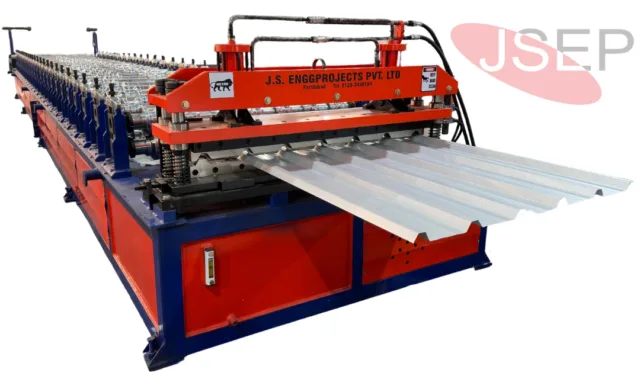
What to Look For in a HI-RIB Machine
The Market Opportunity in India
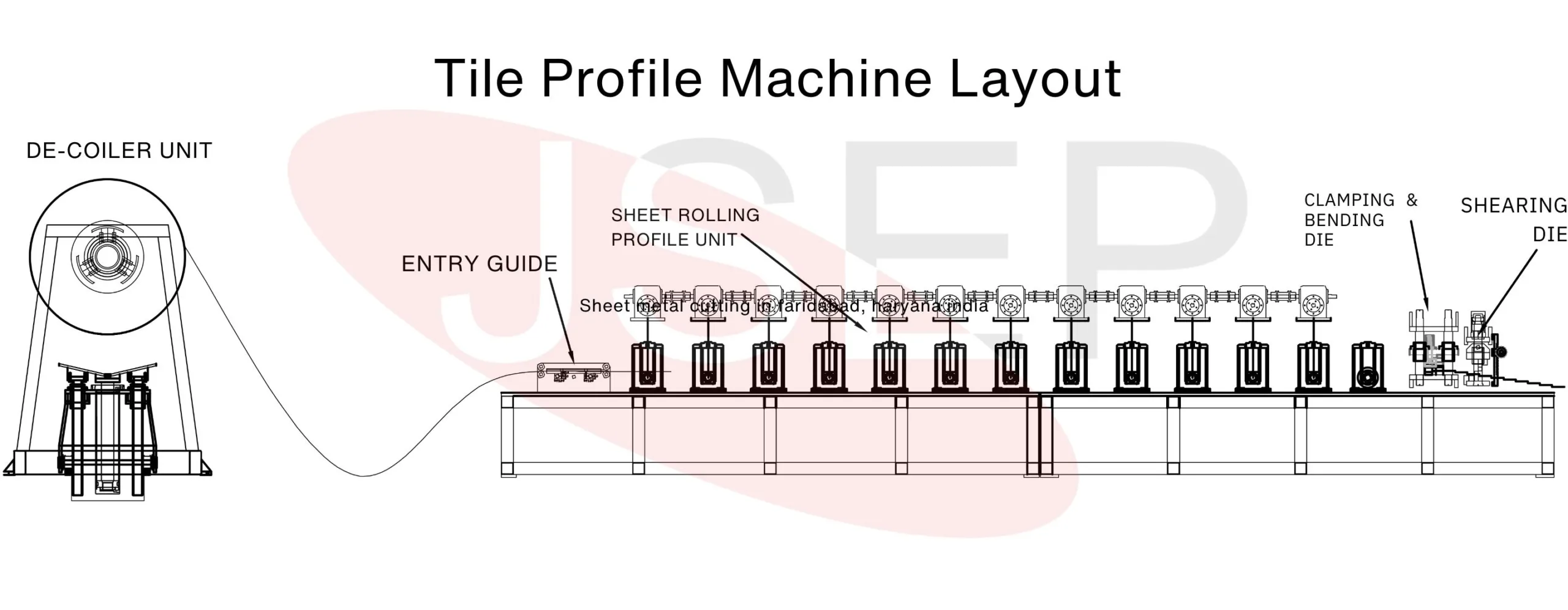
The Tile Profile Roll Forming Machine
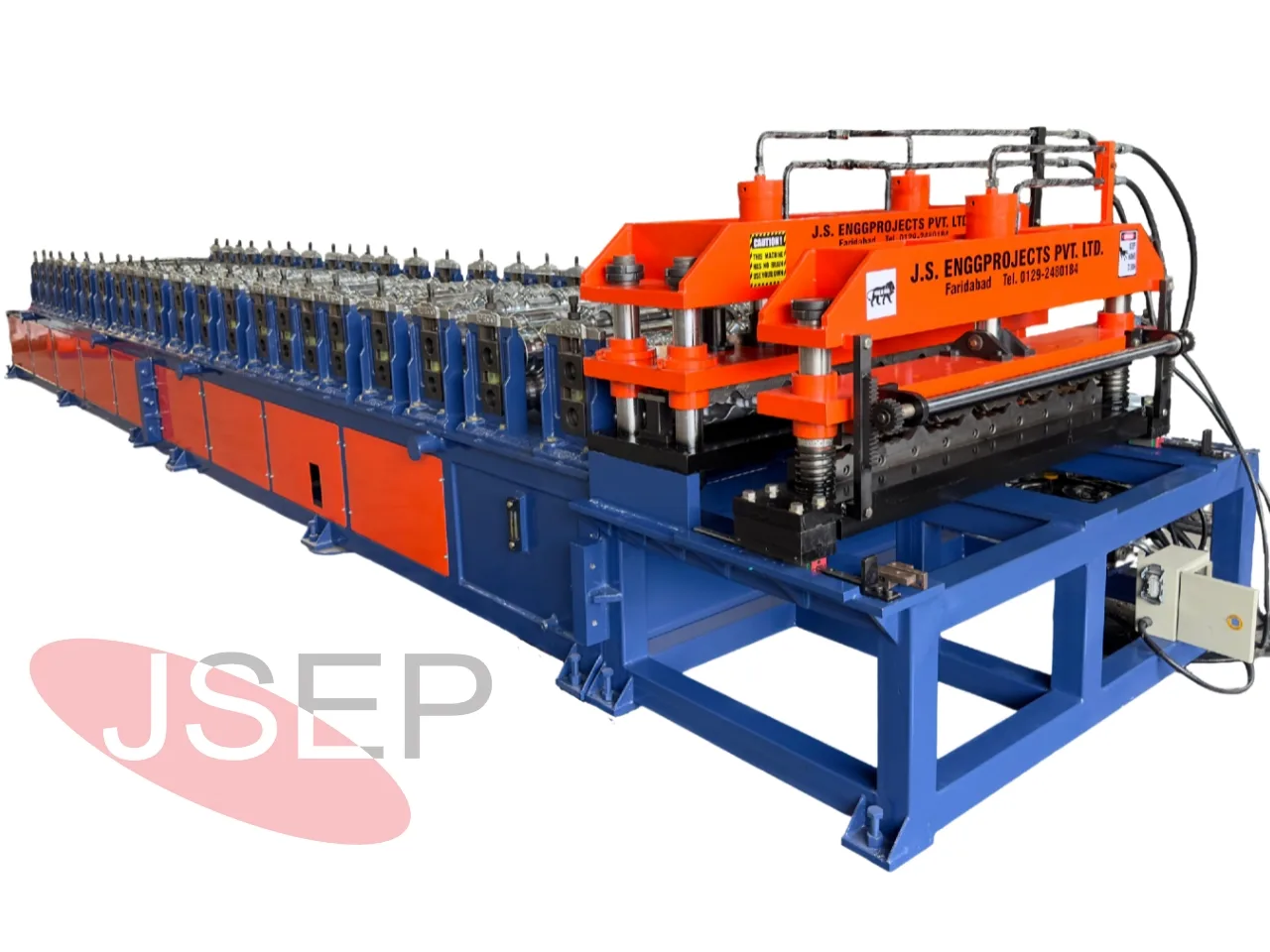
A More Demanding Mechanical Process
The Coating Consideration
Who Should Buy This Machine?
The Standing Seam Roll Forming Machine
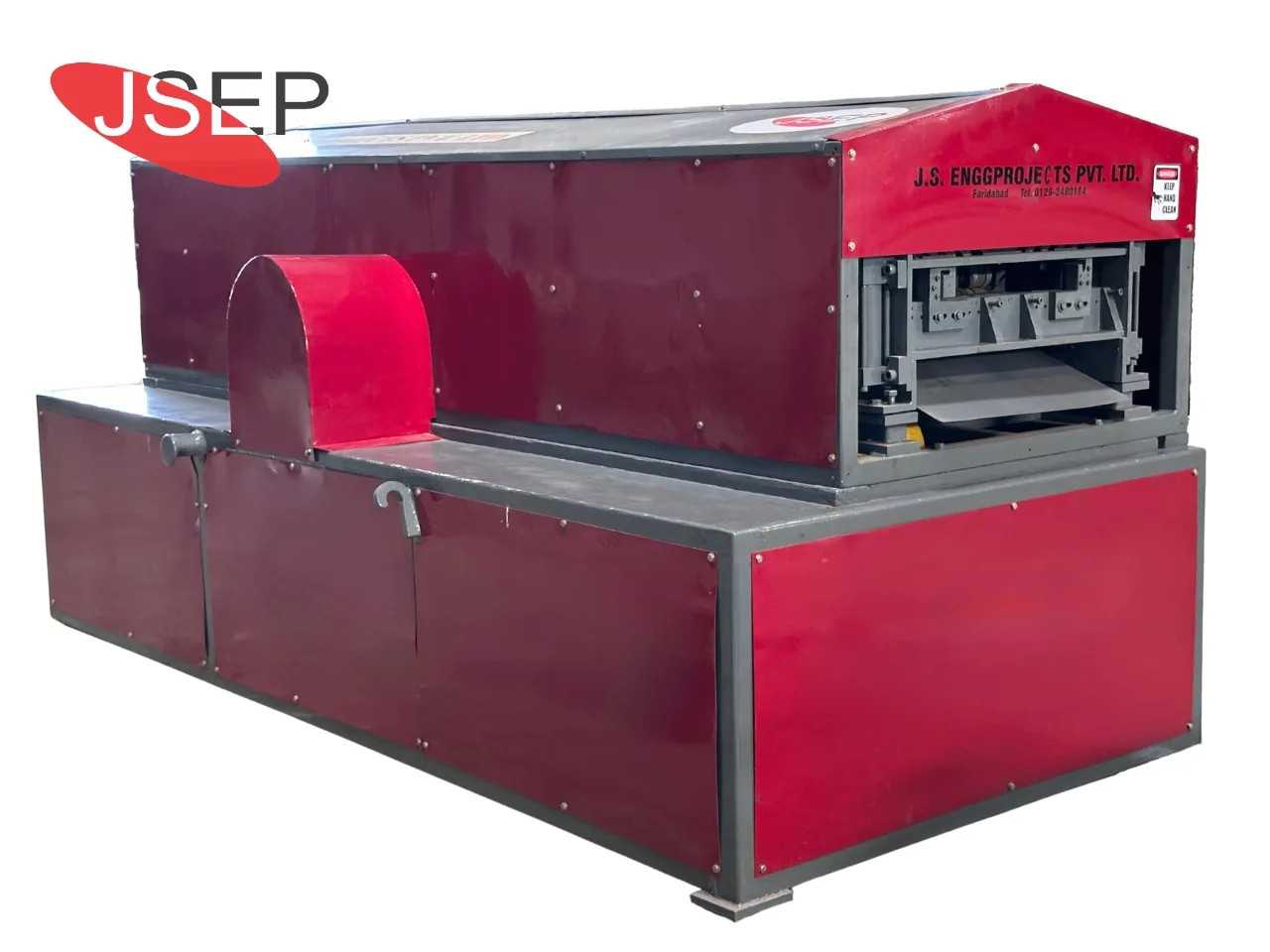
The Precision Challenge
The Portable Standing Seam Machine
Is This Machine Right for You?
The Liner Profile Roll Forming Machine
Family 2: Structural and Load-Bearing Roll Forming Lines
The C & Z Purlin Roll Forming Machine
Why C and Z Sections?
Engineering for Structural Integrity
Handling Thickness Requirements
The Deck Profile Roll Forming Machine
Strict Engineering Tolerances
The Container Profile Roll Forming Machine
The Angle Roll Forming Machine
Family 3: Coil Processing Equipment
Hydraulic Decoiler
Slitting Machine Line
Cut to Length Machine
Hydraulic Press Brake
The Machine Ecosystem: How They Work Together
The 4 Decisions That Determine Your Profitability
Why Manufacturing Experience Matters
Frequently Asked Questions for Roll Forming Machine
Conclusion: Choosing the Right Roll Forming Machine
Talk to Us About Your Machine Requirements